- Emily Ball
Emily Ball- A fistfull of flowers
£510.00
Dates:
19 July, 2027 - 21 July, 2027
Emily Ball is a painter, author and teacher based in Sussex, and the founder and director of the contemporary painting school at Seawhite. For Emily, painting is physical, direct and a way of creating visual poetry. She works from flowers, landscape, faces and the figure, building a vocabulary of marks from life before improvising with them in the studio.
9 Spaces Available
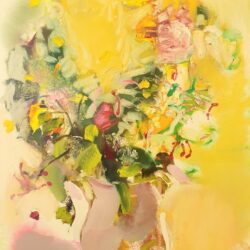
Emily Ball
Emily Ball is a painter, author and teacher based in Sussex, and the founder and director of the contemporary painting school at Seawhite. For Emily, painting is physical, direct and a way of creating visual poetry.
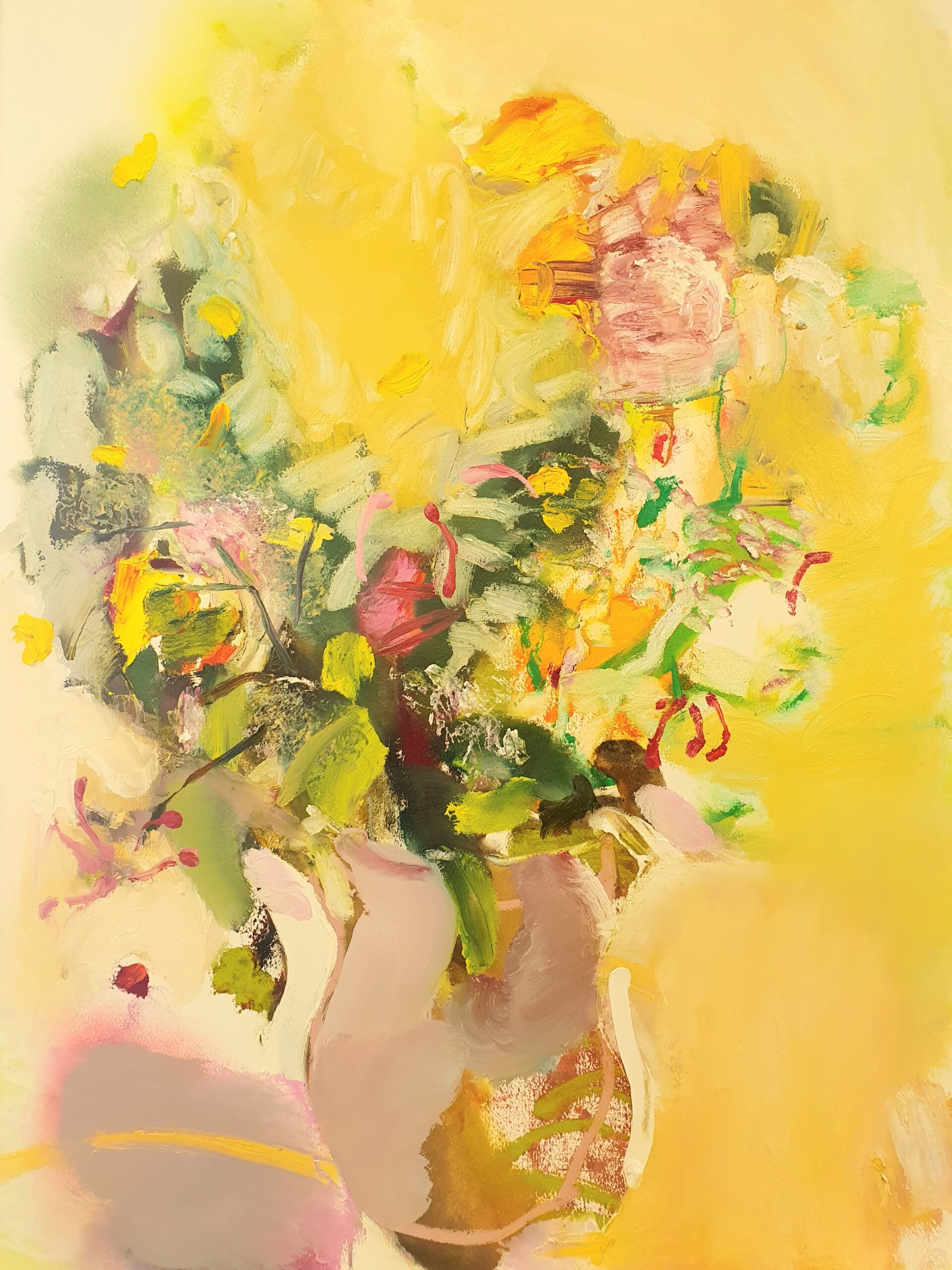
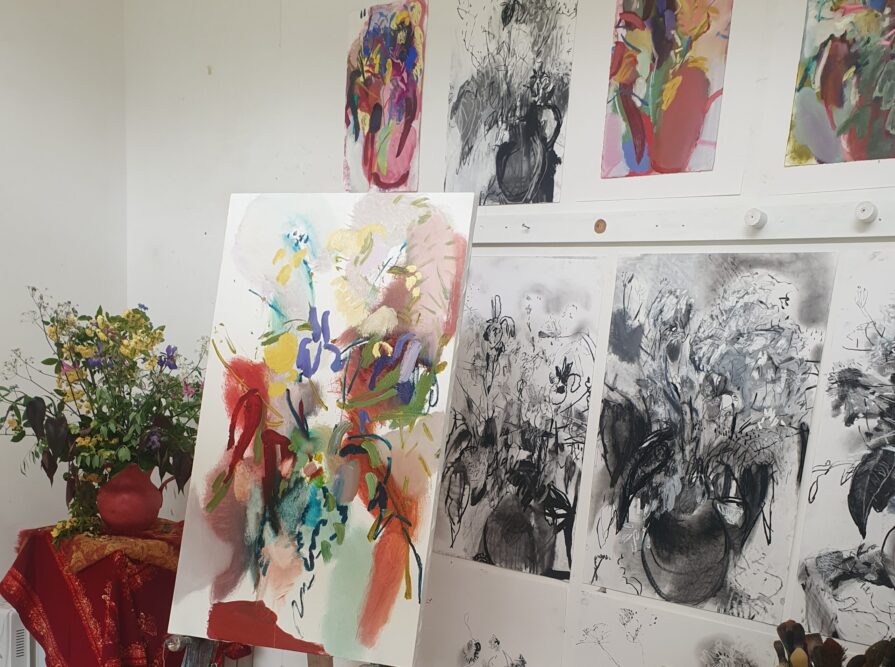
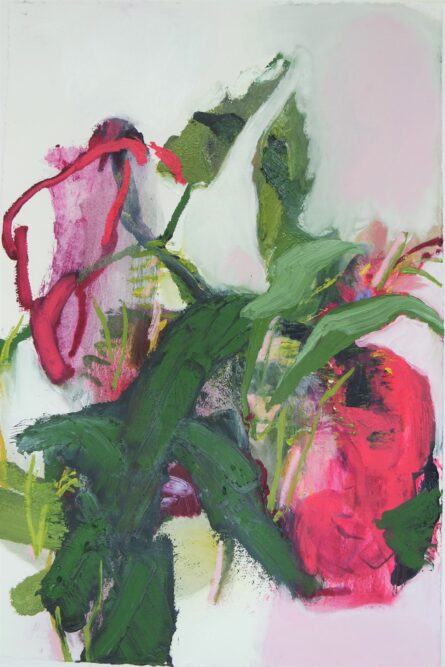
SAMSUNG CAMERA PICTURES
Your Course
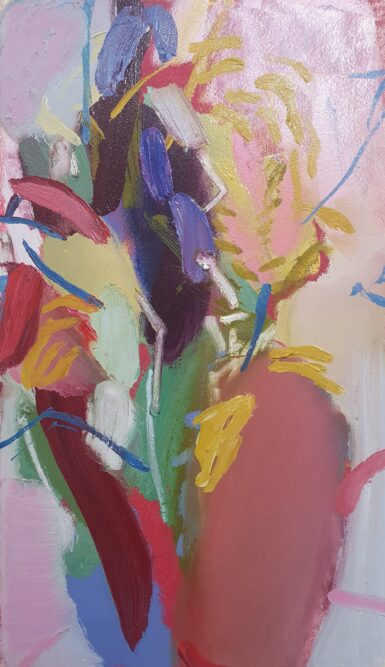
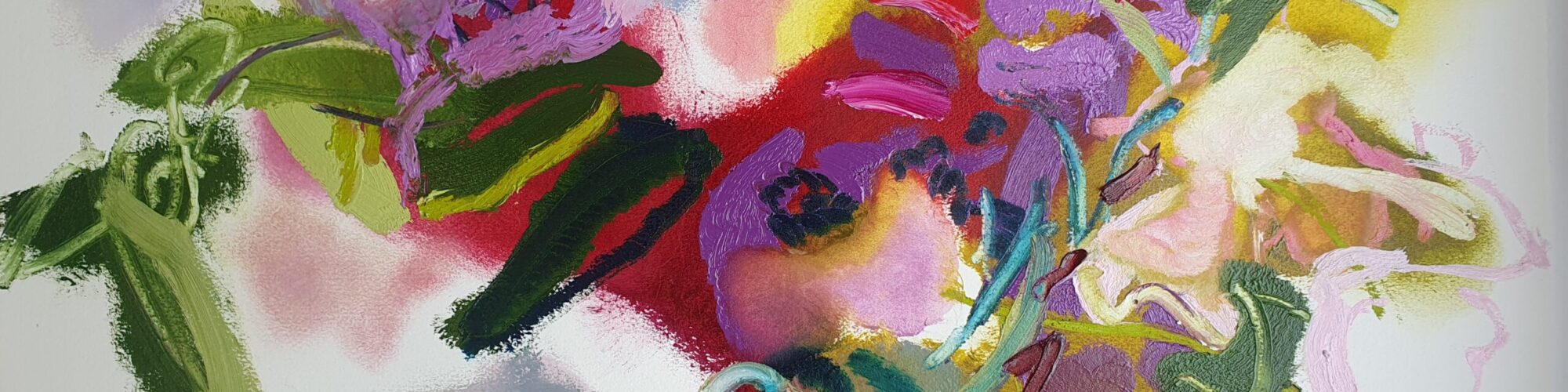
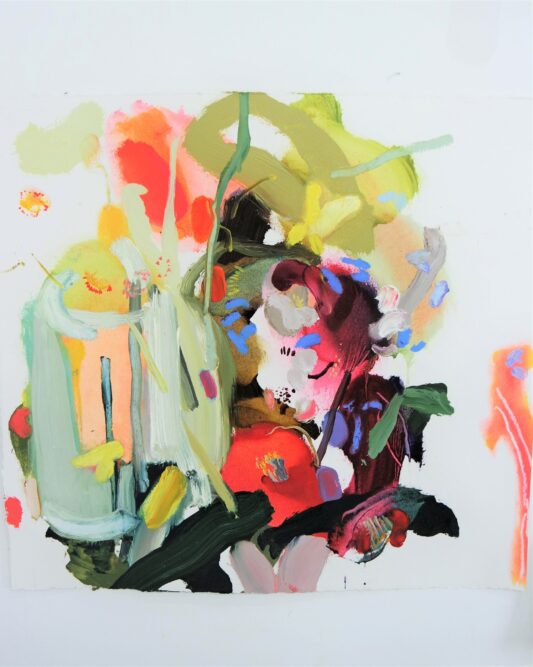
This course is an exploration into how to make expressive drawings and paintings of flowers that really embrace their extraordinary physicality and characters. As the title suggests the tactile and intense connection to the subject is key. As we gather and arrange the flowers the work and subject for our paintings has already begun. The flowers that will inspire your drawings and paintings could be gathered from your own garden or picked from the hedgerows. Memories of childhood or even present day associations with family and place may influence the work too. Flowers are given at poignant times of our lives to mark a moment, a new chapter and to remember. This intensive 3 day course will be an exploration into what it is like to make paintings of flowers that really embrace their extraordinary physicality and characters. As the title of the course suggests Nature can be touched; held, explored and brought close to us; rather than kept at a distance, idealised, pretty and conventional. Students will explore using the exciting qualities of paint: colour, surface, texture, layering and gesture to celebrate the wonder of flowers.
Everyone will have their own bunches of flowers in their space. These could be brought from your own garden, picked from the hegderows or a combination of bought and gathered. Over the 4 days Emily will demonstrate ways of handling paint that give the sculptural and tactile qualities of the subject, as well as breaking down the stages of building the image. Working in a series of 3 or 4 paintings, going and back and forth between the paintings, will help each artist to explore the development of an image and gain confidence in changing, layering and pushing into the paintings to find the flowers.
Artists to inspire: Miranda Bolton, Bonnard, Cy Twombly, Phoebe Unwin, Patrick Heron, Tal R, Matisse, Joan Eardley, Ivon Hitchens, Soutine, Winifred Nicholson.
Key Information
- Suitable for: Intermediate
- Timings: 3-Day masterclass from 10am – 4.30pm
- Catering: A light lunch and refreshments will be provided each day. Please specify any dietary requirements at time of booking.
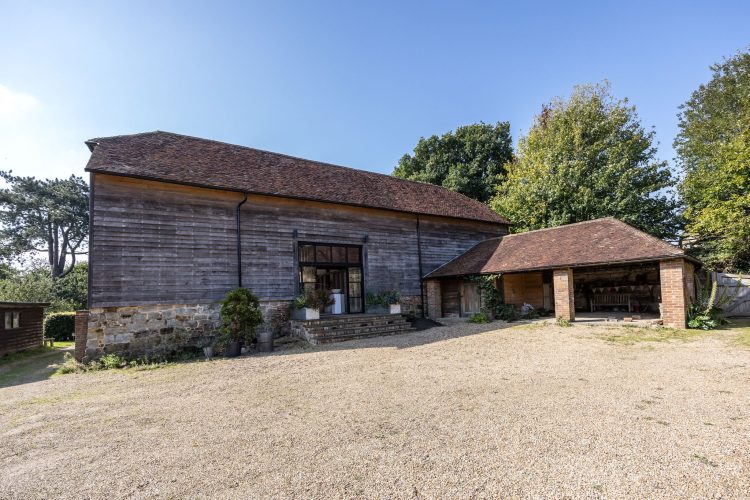
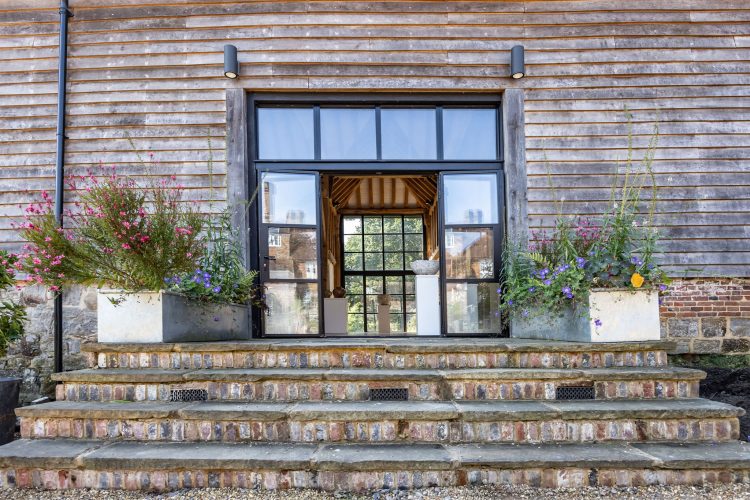
- Venue: The Waldron Gallery & Studio, TN21 0RA
- What students need to bring:
- A bunch, or bunches, of flowers and a vase or container. These could be gathered from your own garden or from the hedgerows. If you do not have access to either of these then bought flowers will be lovely too (Emily will have surplus flowers at the studio too should anyone want to add to their own flowers during the course. She will also have a selection of vases that can be borrowed).Paints and other materialsThese are the suggested colours to bring: in either acrylics or oils. This selection enables you to mix any colour you desire:
Titanium White, Lemon Yellow, Cadmium Yellow, Indian Yellow, Cadmium Red, Alizarin Crimson, Magenta, Cerulean Blue, Ultramarine Blue, Phthalo Blue.
Mediums and equipment for oils and acrylics
Acrylics
Acrylics can be diluted with acrylic mediums, they will increase the flow and transparency of the paint. Some offer the option of increasing the gloss as well. That is up to you. Retarder is very helpful as it slows down the drying time enabling you to blend and mix on the painting.
Oils – No White spirit or Turpentine is allowed in the studio. Instead please use an odourless equivalent. We recommend Shellsol T which you can buy from Jacksons Art supplies of A P Fitzpatrick (this is a solvent which is an alternative to white spirit to clean your brushes with and thin the oil paint). We recommend that you use a ‘Drying medium’ (to speed up the drying time). You can make your own by mixing a 50/50 mix of Linseed stand oil and Shellsol T.
Other materials (Mixed Media)
When working with acrylics you can add chalk and oil pastels into the mix, but also inks layer in beautifully. If you are working with oil paint then Oil Pigment sticks are a fantastic extra ingredient to enable you to draw with colour into the paint. Have plenty of cotton rags available. They are very valuable for blending, polishing and wiping paint.
Brushes for Oils and Acrylics
Have a variety of brush shapes and sizes: Flats, Filberts, Rounds, Liners/Riggers. For bigger brushes I frequently go to hardware and decorating shops. Good makes are Princeton and Omega for large brushes. A few palette knives, paint scrapers or spatulas are useful too, of differing shapes and sizes.
Surfaces to paint on
For Oils – Arches Oil paper is a beautiful surface to paint on. It is already sized and ready to paint on with oils and can be ordered through Jacksons online. https://www.jacksonsart.com/arches-huile-oil-painting-paper-140lb-300gsm-22x30in-56x76cm-not
For Acrylics heavy Cartridge paper (300gm) is good. Seawhite sell this in their shop and the studio has it too so you can buy it by the sheet as you go.
If you prefer to paint on Canvas or Board
Size and shape is up to you but you will need 3 – 4 all the same for consistency.
Any queries regarding the things on this list please email [email protected] with questions.
SAMSUNG CAMERA PICTURES