- Paul Talbot Greaves
Paul Talbot Greaves – Guiding the eye in watercolour
£395.00
Dates:
5 July, 2027 - 6 July, 2027
Paul’s artistic career spans 35 years as a full-time artist, tutor, and writer. He is a member of the Royal Institute of Painters In Water Colours, author of 4 sold out books, and regular contributor to The Artist magazine. He has won many awards and prizes for his work and has earned an international reputation as a master of watercolour and acrylic painting. He is regarded throughout the painting world as a first-class teacher.
10 Spaces Available
Paul Talbot Greaves
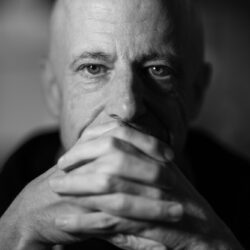
Paul’s artistic career spans 35 years as a full-time artist, tutor, and writer. He is a member of the Royal Institute of Painters In Water Colours, author of 4 sold out books, and regular contributor to The Artist magazine.
Your Course
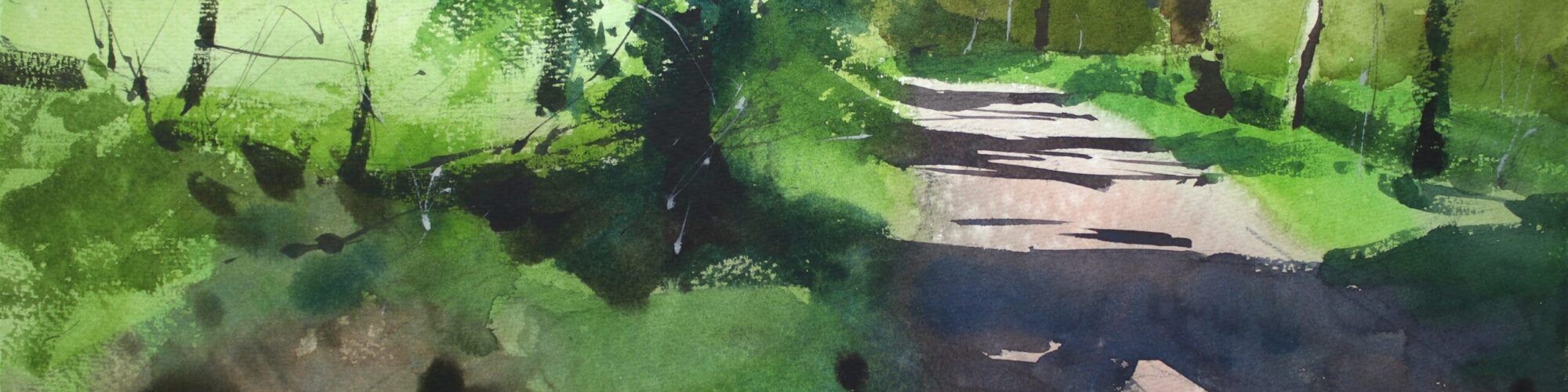
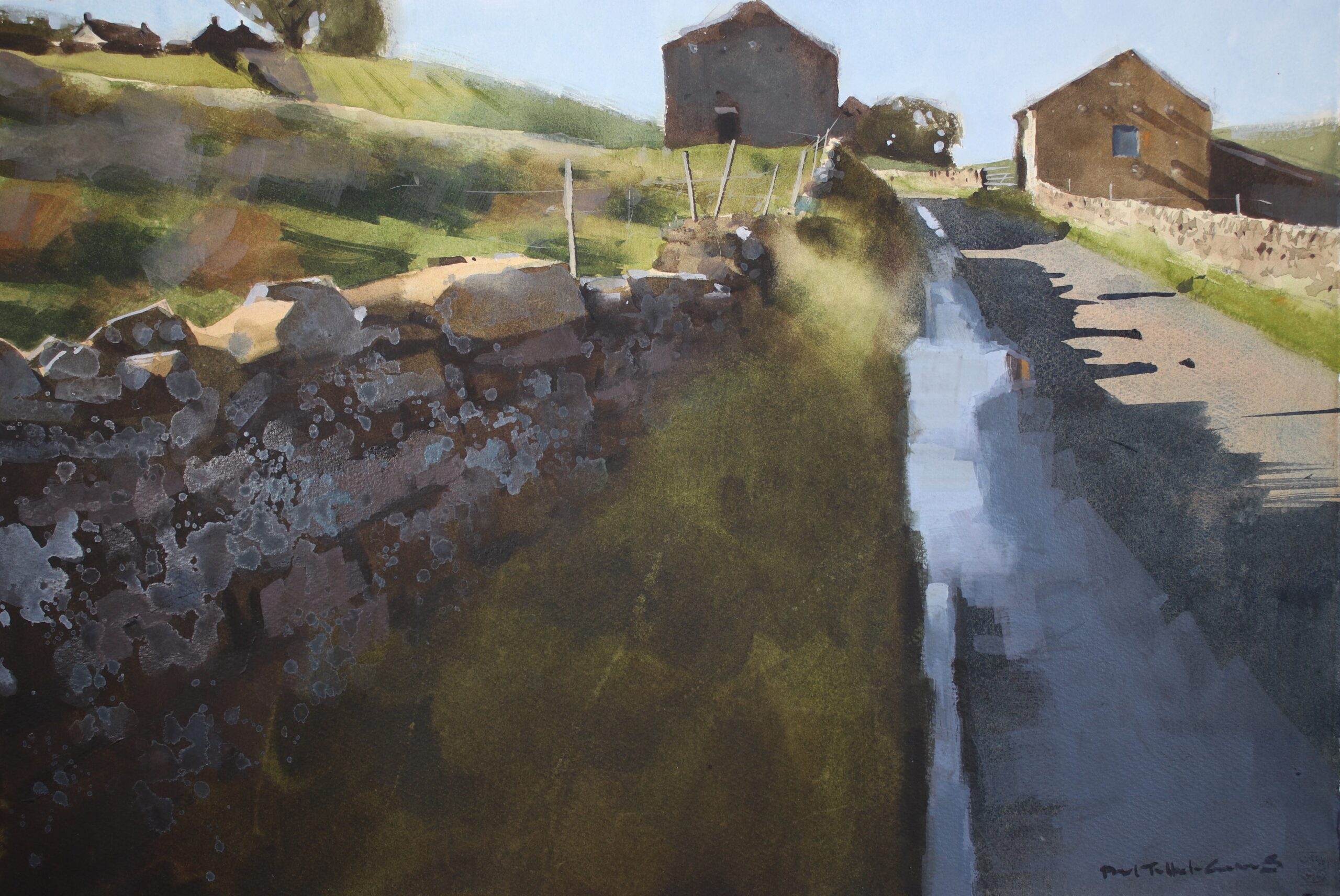
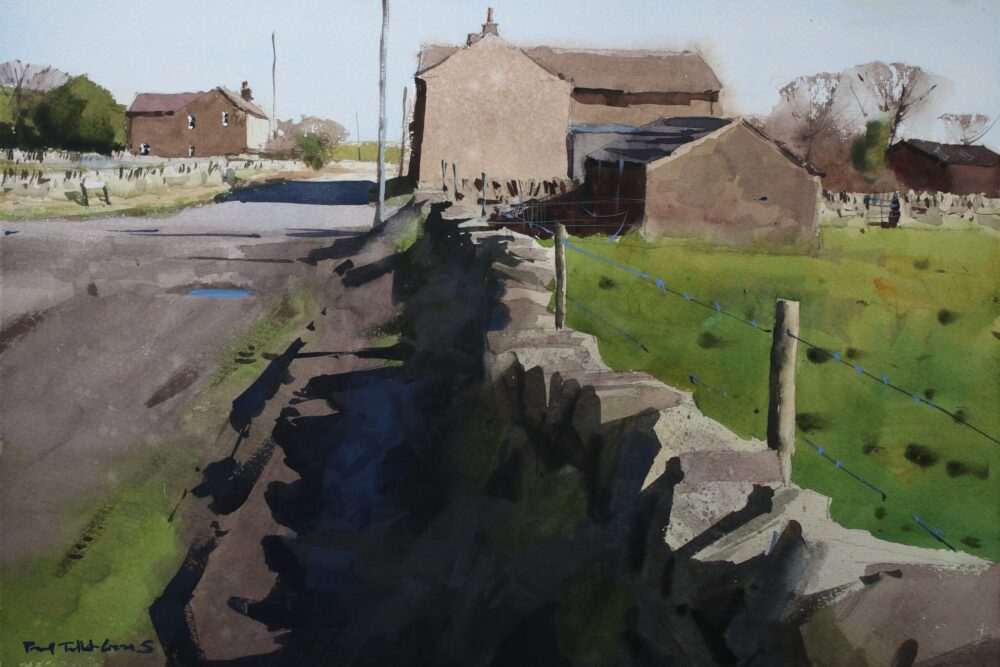
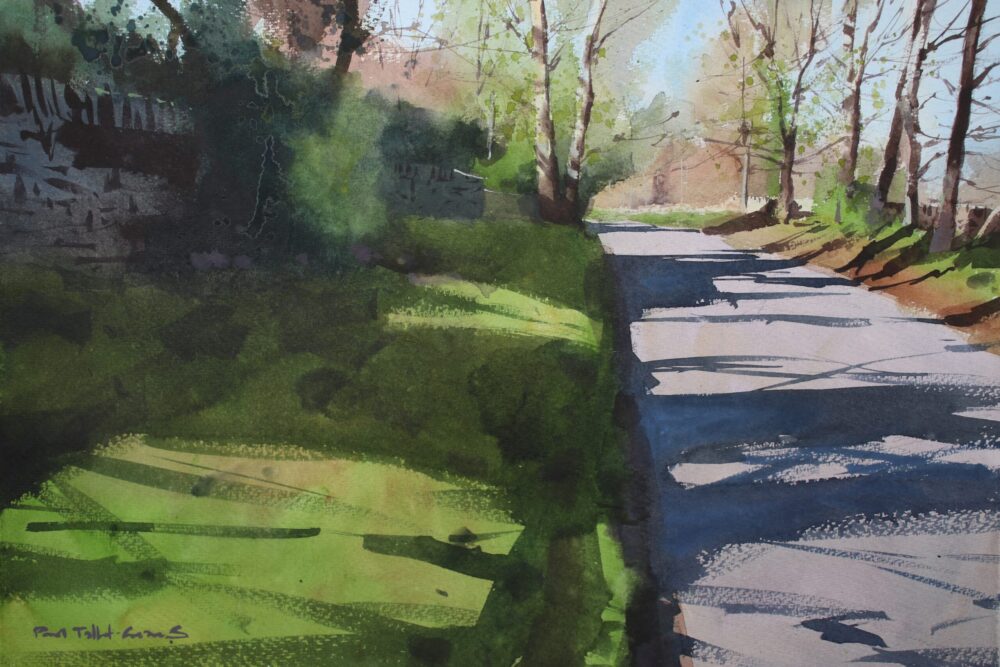
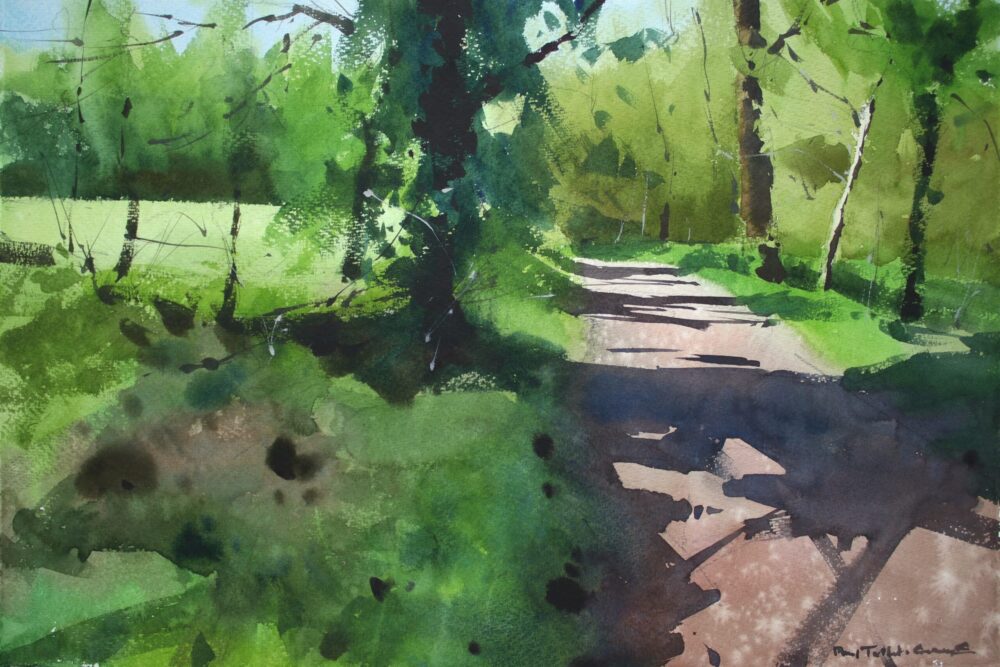
In this course you will learn how to use watercolour to make paintings that engage the viewer, tell a story, create mood, and guide the eye through the subject. We will use techniques for making strong statements, such as where to use wet into wet, where to use hard edges, what to simplify, and how to suggest areas without over detailing. Throughout the course there will be explanations of painting theory, demonstrations, and discussion.
What you will learn
Day 1
How to use the compositional grid to create a firm foundation of structure
Planning the focus of the painting
Using perspective creatively
Utilising different types of edges including soft edges, hard edges, and broken edges
Interpretation and simplification techniques
Day 2
Considering the use of design contrast.
Use of big shapes against smaller shapes
Making the most of value contrasts
Key Information
- Suitable for: Suitable for all levels
- Timings: 2-Day masterclass from 10am – 4.30pm
- Catering: A light lunch and refreshments will be provided each day. Please specify any dietary requirements at time of booking.
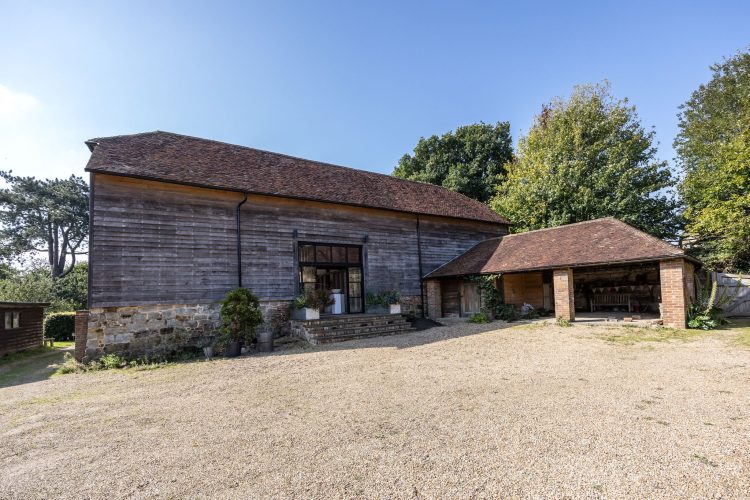
- Venue: The Waldron Gallery & Studio, TN21 0RA
-
Materials and Equipment
- MaterialsReference material
Please bring along some photo references to work from, either printed or on an i-Pad or tablet. For best results include a grey scale (black and white) image of the same.
Paints
To follow my colour mixing method it is useful to have ivory black but it’s not essential. Please feel free to bring your favourites, but as a simple guide my regular palette contains Winsor yellow, yellow ochre, cadmium orange, cadmium red, alizarin crimson, perylene violet, Winsor green y/s, viridian, cerulean blue, Winsor blue r/s, French ultramarine, Winsor violet. Other useful colours: titanium white.
Brushes
I use natural hairbrushes and synthetic round brushes. It is useful to have one or more French mop types between sizes 4 and 6, one or two medium sized round brushes, and either a small synthetic round or a rigger brush.
Palette
Either a plastic or ceramic tray, folding palette, or large mixing surface.
Paper
Saunders Waterford, Arches, Baohong, or any similar cotton paper in either rough or cold pressed (NOT) surfaces. I would recommend working no bigger than 38 x 28cm unless you are confident in applying large washes of paint.
Other equipment
Waterpot, palette, Pencils 4B or 6B, putty rubber, kitchen roll, painting board, masking tape, water spray, household sponge wipe (thin moppet type).