- Matthew Blakely
Matthew Blakely- Rock Glazes
£500.00
Dates:
21 April, 2027 - 23 April, 2027
Your Course
Over three days, you’ll make your own glaze tests, fire them, and learn to read the results with potter Matthew Blakely. It’s a hands-on introduction to how glazes work, from the rocks and minerals they’re made from to the surfaces that come out of the kiln.
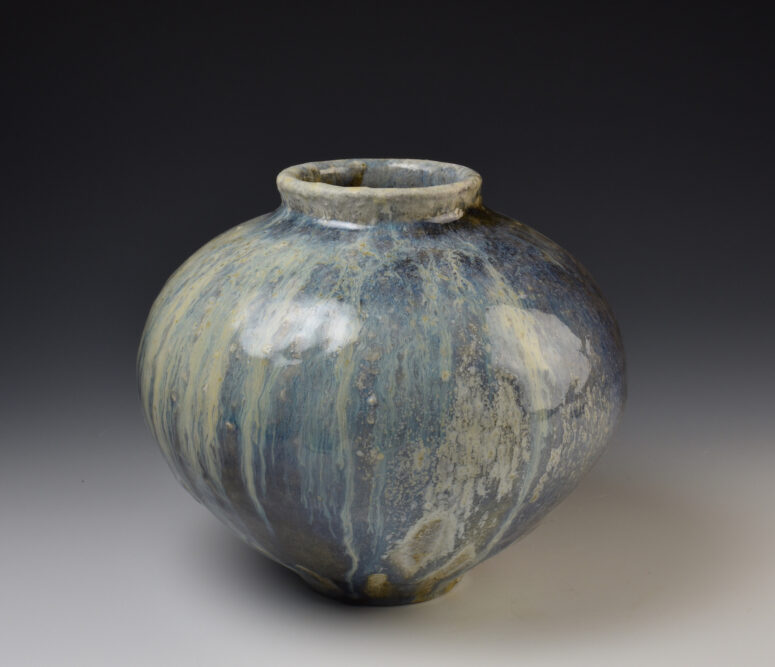
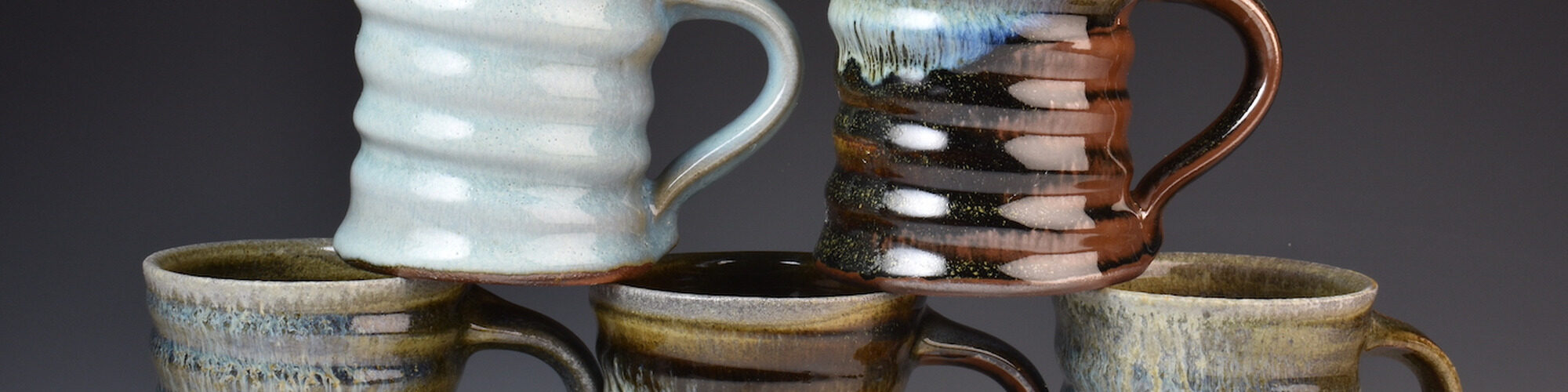
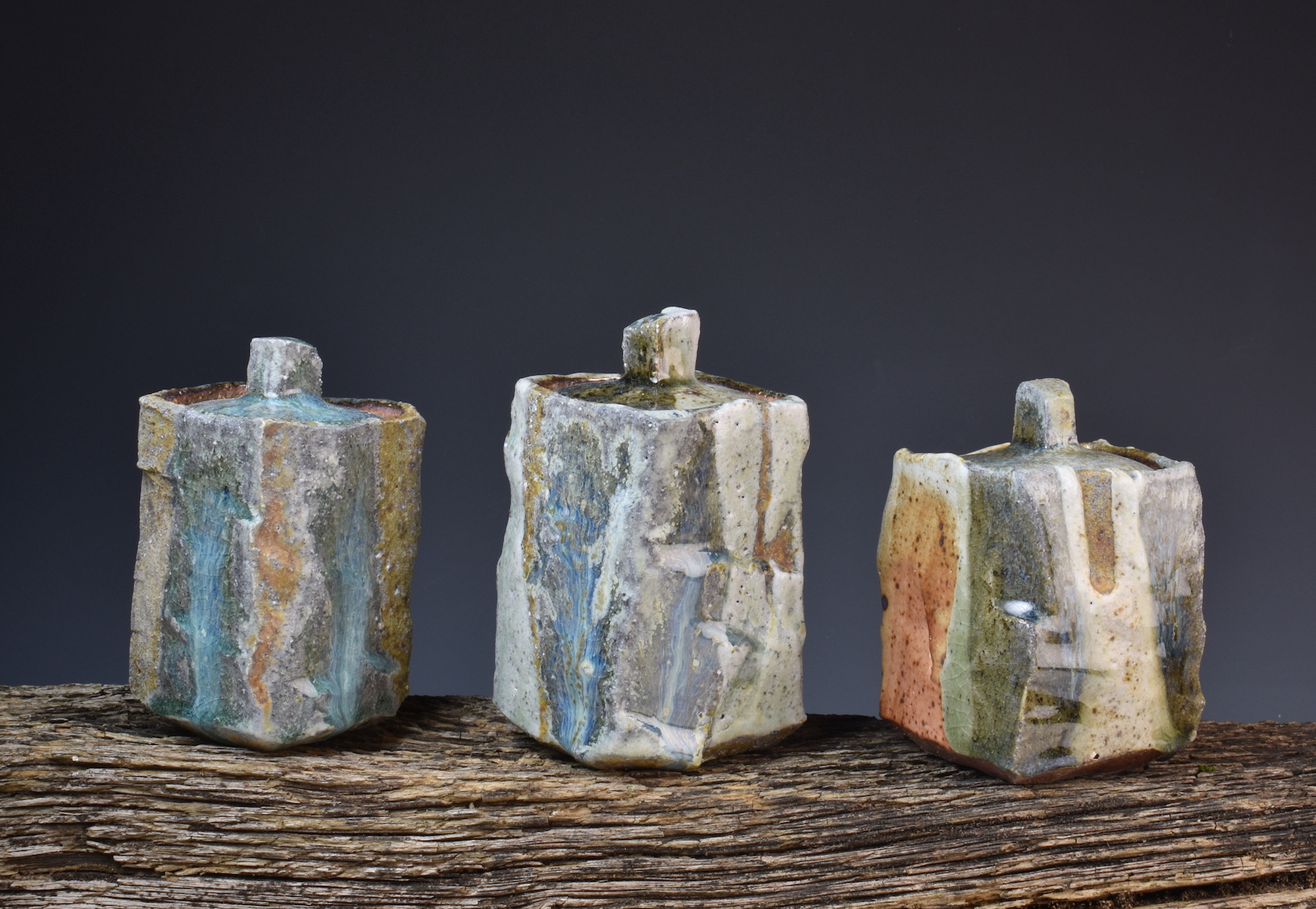
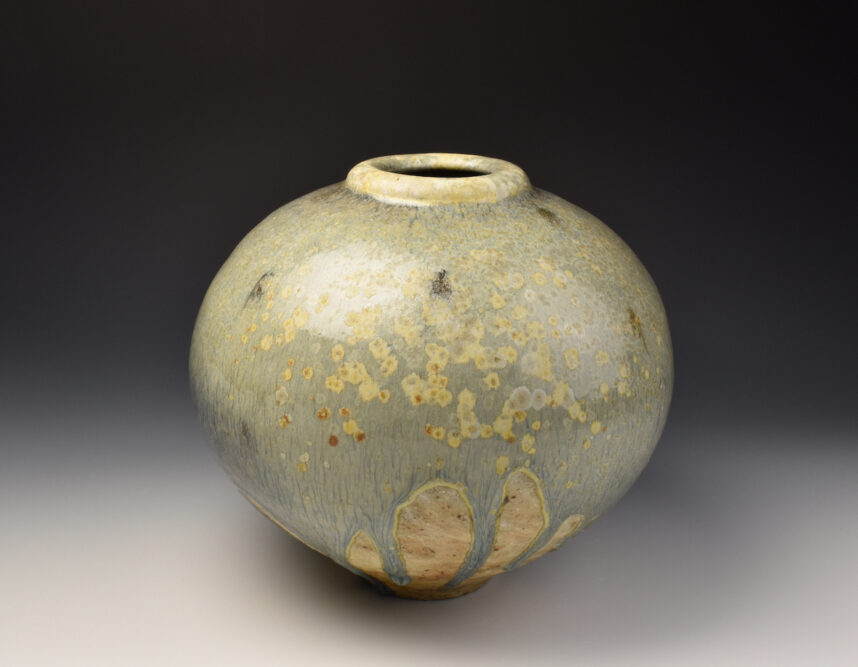
Matthew makes wood-fired and high-temperature stoneware, and much of his work uses glazes made from rock he gathers and crushes himself. His approach links the geology of a place to the colours and textures on a pot. On this course he shares that process: you’ll test, fire and assess glazes alongside him, and leave understanding why a glaze behaves the way it does.
This is a course for people who have a basic understanding of glazes and glaze theory, but are serious about developing their own ash, clay or rock glazes. If you are interested in a place.
What you’ll learn
- How to plan, mix and apply a set of glaze tests
- The main glaze materials and the job each one does
- The basics of glaze theory: fluxes, glass-formers, stabilisers and colourants
- How firing method and atmosphere change a glaze
- How rocks and minerals become glaze ingredients
- How to read test results and recognise common glaze faults
- How to take your tests forward into your own work
Day 1: Making tests
Day one is practical: everyone makes their own glaze tests, and by the end of the day the kiln is packed.
- Introduction to the course and to Matthew’s work
- Weighing out and mixing glaze test batches
- Line blends and simple variations to see how small changes affect a glaze
- Applying glazes to test tiles, including layering and varying thickness
- Labelling and recording each test so the results can be read later
Day 2: Firing and glaze theory
On day two the tests are fired, while Matthew introduces glaze theory and the materials behind each test. Depending on the weather, the firing will be in an electric or gas kiln, and possibly a short wood firing.
- Firing the kiln and watching how it progresses
- How electric, gas and wood firings differ, and what each does to a glaze
- Glaze theory: how fluxes, silica and alumina combine to make a glaze
- The key raw materials, from feldspars and clays to ash and colouring oxides
Day 3: Geology, results and next steps
Day three starts with a geology talk, then the kiln is opened and everyone goes through their results together.
- Geology talk: how rocks and minerals form, and how they become glaze materials
- Opening the kiln and unpacking the tests
- Going through the results as a group: what worked, what didn’t, and why
- Discussion of future directions, so each participant leaves with a plan for developing their own glazes
9 Spaces Available
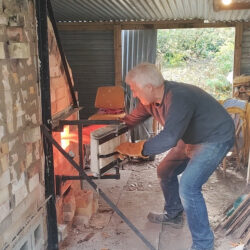
Matthew Blakely
Matthews work re-establishes the link between pottery and place, making pots entirely from rocks and clays that he has collected from individual locations around the country.
Key Information
- Suitable for: Basic understanding of glazing
- Timings: 3-Day masterclass from 10am – 4.30pm
- Catering: A light lunch and refreshments will be provided each day. Please specify any dietary requirements at time of booking.
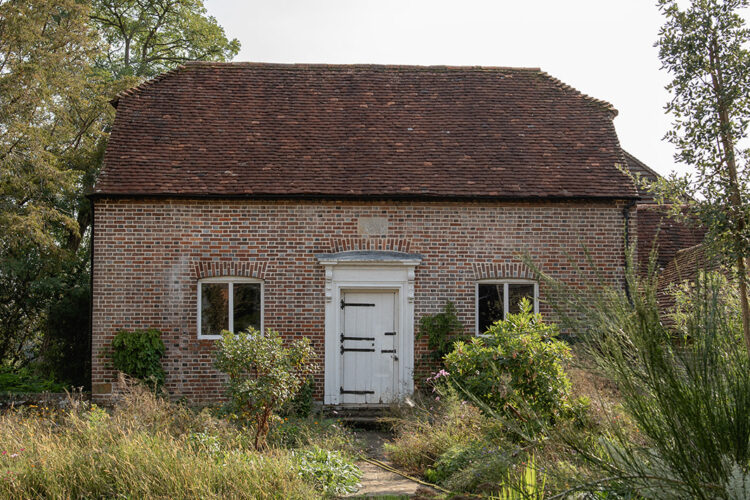
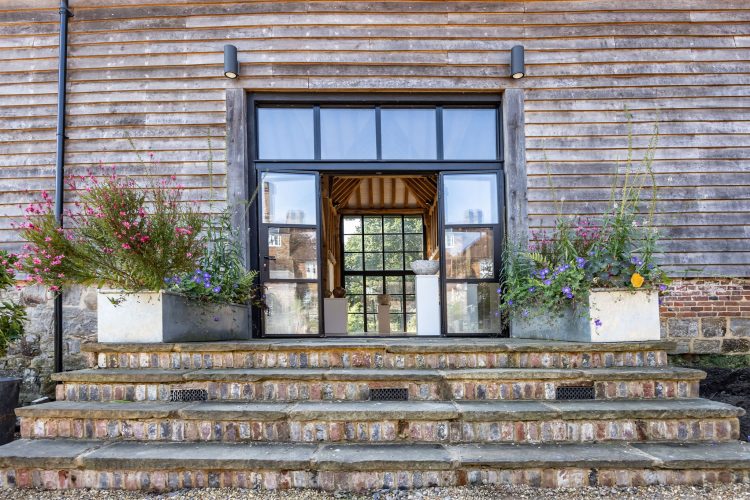
- Venue: The Waldron Gallery & Studio, TN21 0RA